What Is a Mohel? Role at a Bris and How to Choose One
Published November 13, 2026
Add 1800Eichlers as a preferred source on Google
A mohel is the person who performs the bris milah, and for most families the mohel is the first call after a baby boy is born. Parents and grandparents often have the same questions: what the mohel actually does, who else has a role at the bris and how to choose the right mohel. This guide answers those questions and lists what to prepare before the day.
Quick Answer
A mohel is a Jew trained in the halachos and the practice of bris milah who performs the circumcision on the father's behalf. The mitzvah belongs to the father, who appoints the mohel as his shliach. At the bris the mohel says the bracha on the milah, performs it, and usually leads the naming of the baby.
Key Observations
- The word: mohel means "one who circumcises," and many Ashkenazim pronounce it "moyel."
- The father's mitzvah: the mohel acts as the father's shliach, so the father appoints him for the bris.
- The timing: a bris takes place on the eighth day, during the day, unless the baby needs to wait for health reasons.
- Other honors: the sandek holds the baby, and the kvatter and kvatterin carry him in.
- Choosing a mohel: ask your rav for a recommendation and choose a mohel with skill and experience.
This table shows the main roles at a bris and who usually fills each one.
| Role | What they do | Who is usually chosen |
|---|---|---|
| Mohel | Says the bracha and performs the milah | A trained, experienced mohel |
| Father | Appoints the mohel and says the bracha "lehachniso" | The baby's father |
| Sandek | Holds the baby during the milah | A grandfather, rav or respected relative |
| Kvatter and kvatterin | Carry the baby into the room | Often a young couple in the family |
| Kisei shel Eliyahu | The baby is placed briefly on the chair of Eliyahu HaNavi | A guest is often given this honor |
For the full order of the ceremony, see our guide on what a bris is and what to expect.
Preparing for a bris? Browse bris and baby naming gift ideas and seforim on bris milah at 1800 Eichlers.
What is a mohel?
A mohel is the person who performs the bris milah, the circumcision that brings a Jewish baby boy into the covenant of Avraham Avinu. The Hebrew word shares its root with milah, and the plural is mohalim. In Yiddish speaking homes the word is often said "moyel."
The mitzvah of bris milah belongs to the baby's father, as the Torah describes Avraham giving his son Yitzchak a bris. Since most fathers are not trained to perform it, the father appoints a mohel to act as his shliach, his agent, for the mitzvah. The Shulchan Aruch discusses the halachos of milah in Yoreh Deah, from siman 260.
A mohel needs two kinds of knowledge: the halachos of bris milah and the practical skill to perform it with care. Both matter, and families look for both when choosing a mohel.
What does a mohel do at a bris?
The mohel performs the milah, says the bracha on it and usually leads the rest of the ceremony, including the naming of the baby. Before the day, the mohel also checks that the baby is well enough for the bris to go ahead on time.
- Checks the baby: the mohel sees the baby before the bris and decides together with the family whether the bris can take place on the eighth day.
- Receives the appointment: the father appoints the mohel as his shliach for the mitzvah.
- Says the bracha: the mohel says the bracha "al hamilah" and performs the milah.
- The father's bracha: the father says "lehachniso bivriso shel Avraham Avinu," and those present answer "Kesheim shenichnas labris, kein yikanes l'Torah ul'chuppah ul'maasim tovim."
- The naming: over a cup of wine, the mohel or a rav says the brachos and announces the baby's name.
The bris is followed by a seudas mitzvah, a festive meal, with a special addition in bentching. For the rest of the day, including the Shalom Zachar and what guests do, read our full guide to what a bris is.
Who can be a mohel and how are mohalim trained?
According to the Shulchan Aruch, Yoreh Deah siman 264, the preferred mohel is an adult Jewish man who knows the halachos and how to perform the milah. In practice, families look for a mohel who is shomer Torah and mitzvos and has extensive experience.
Mohalim in frum communities usually train through long apprenticeship with an experienced mohel. They learn the halachos of milah from the poskim and the hands on practice under supervision. Some mohalim also hold certification from mohel organizations, and you can ask a mohel about his training when you speak with him.
Practice differs between communities, so the right mohel for your family is the one your rav and your community trust.
How to choose a mohel
Choose a mohel your rav recommends, with strong experience and a calm, careful manner. Many families book a mohel before the baby is born, so the bris can be planned as soon as the eighth day is known.
These are good questions to ask before you choose.
- Experience: how long has he been a mohel, and who trained him?
- Recommendation: does your rav or your shul know him and recommend him?
- Availability: can he come on the eighth day, including Shabbos or Yom Tov if the eighth day falls then?
- Visits: will he see the baby before the bris and after it?
- Practice: how does he perform each part of the bris? Discuss any questions about the procedure with him and your rav.
Health questions about the baby, before or after the bris, belong with your mohel and your pediatrician. If the baby is not well, the bris is postponed until the baby is healthy, and the mohel and doctors decide when.
When is the bris held?
A healthy baby's bris is held on the eighth day, counting the day of birth as the first day, between sunrise and sunset. In most cases a bris on the eighth day takes place even on Shabbos or Yom Tov, but there are exceptions, such as a birth by cesarean section, so your mohel and rav will guide you.
Sandek, kvatter and the other honors at a bris
Besides the mohel, a bris has several honors that families give to grandparents, relatives and rabbonim. Choosing them is one of the pleasant parts of planning the day.
| Honor | What it involves |
|---|---|
| Sandek | Holds the baby on his lap during the milah, considered the greatest honor at the bris |
| Kvatterin | Takes the baby from the mother and passes him to the kvatter |
| Kvatter | Carries the baby into the room where the bris takes place |
| Kisei shel Eliyahu | Places the baby on the chair of Eliyahu HaNavi before the milah |
| Brachos and naming | Saying the brachos over the wine and announcing the name |
Families often give the honor of sandek to a grandfather or to their rav. If you are unsure how to divide the honors, ask your rav or the mohel, who has seen many families plan the day.
What to prepare for the mohel
Ask the mohel what he needs and prepare it the day before, so the bris starts calmly and on time. Most mohalim bring their own instruments and supplies, and the family arranges the rest.
- A bris pillow or cushion: for carrying the baby and for the sandek's lap.
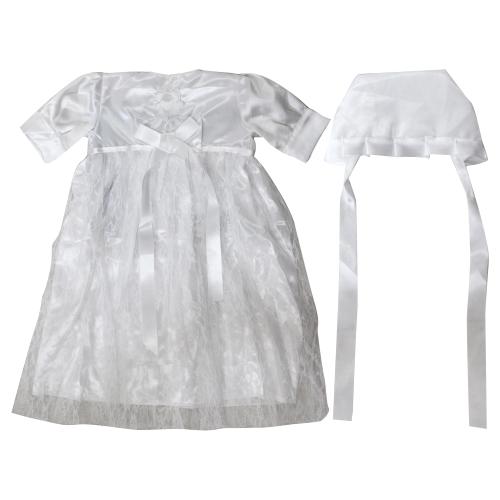
- Clothing for the baby: many families dress the baby in white, such as a satin bris milah outfit with a hat.
- A chair for Eliyahu HaNavi: many shuls have one, or a decorated chair is set aside.
- Wine and a becher: for the brachos and the naming.
- The baby's name: give the mohel the name and the father's name in advance.
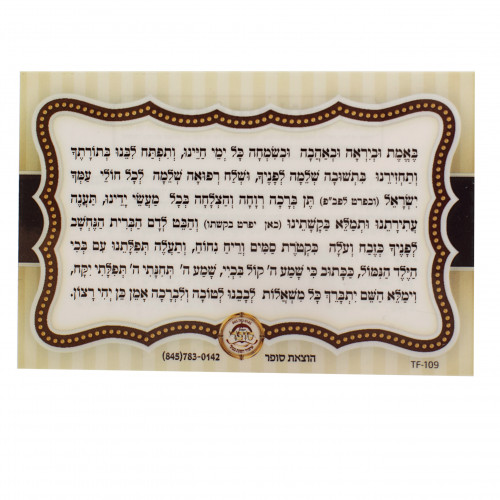
- Tefillos: a printed tefillah for the parents and guests to say.
How to thank and honor the mohel
Families show their appreciation to the mohel in several ways, and it is worth planning this before the day. Discuss any payment with the mohel privately and in advance, since practice differs between mohalim.
- A public honor: many families ask the mohel to say the brachos and announce the name.
- A seat at the seudah: invite him to stay for the seudas mitzvah after the bris.
- A thank you gift: a sefer or a piece of Judaica is a lasting way to say thank you.
- Future children: many families ask the same mohel for each son, which he will appreciate.
Seforim on bris milah
Parents who want to understand the mitzvah before the bris can learn from seforim and books written for families. 1800 Eichlers carries several, in English and Hebrew.
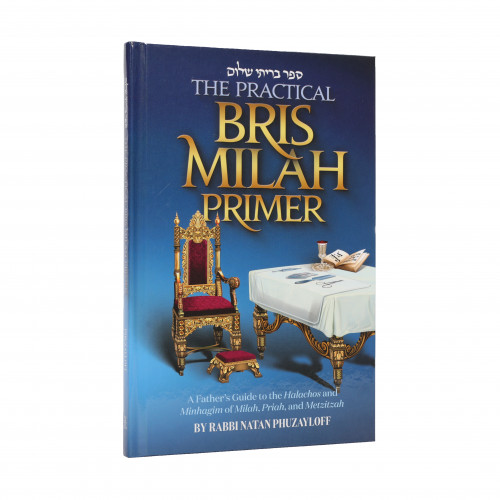
- The Practical Bris Milah Primer, a guide in English to the halachos and practice of the bris.
- A Bond for Eternity: Understanding the Bris Milah, on the meaning of the mitzvah.
- HaMohel by HaRav Yosef Dovid Weissberg, a Hebrew sefer on the halachos of milah.
- Pischei Milah and Sefer Osin B'Simcha on bris milah, for deeper learning.
Shop for the bris at 1800 Eichlers
1800 Eichlers, the online store of Eichler's of Boro Park, carries bris milah seforim, outfits and gifts for the new baby and the family. See our Jewish baby gift guide for gift ideas, browse tzedakah boxes for a gift that lasts, or contact the store with a question before you order.
Frequently Asked Questions
- What does mohel mean?
Mohel means "one who circumcises." The plural is mohalim, and many Ashkenazim pronounce the word "moyel."
- What does a mohel do at a bris?
The mohel says the bracha on the milah, performs it as the father's shliach, and usually leads the naming of the baby over a cup of wine.
- Is a mohel a rabbi?
Not always. A mohel is someone trained in the halachos and practice of bris milah. Some mohalim are rabbonim, but the role itself is defined by that training and experience.
- How do I choose a mohel?
Ask your rav for a recommendation, and choose a mohel with strong experience who can come on the eighth day. Discuss any questions about the procedure with him and your rav.
- Who holds the baby at a bris?
The sandek holds the baby on his lap during the milah. It is considered a great honor and is often given to a grandfather or the family's rav.
- What if the baby is not well on the eighth day?
The bris is postponed until the baby is healthy. The mohel and the baby's doctors decide when the bris can take place.