Upsherin: Meaning, Customs and Gifts for a Boy's First Haircut
Published November 13, 2026
Add 1800Eichlers as a preferred source on Google
An upsherin is a little boy's first haircut, held on his third birthday, and in many families it is the day he starts wearing a yarmulke and tzitzis and begins learning the aleph beis. Parents planning one usually want to know where the minhag comes from, what happens on the day and what to buy or bring. This guide covers all three.
Quick Answer
An upsherin is the first haircut a Jewish boy receives when he turns three, leaving his payos in place. It marks the start of his chinuch: from that day he wears a yarmulke and tzitzis and begins learning the aleph beis, often with honey on the letters. It is a minhag, not a halacha, and customs vary by community.
Key Observations
- The age: the upsherin is held at three, on or near the Hebrew birthday, though a few communities hold it at a different age.
- The haircut: guests take turns cutting a lock of hair, and the payos are left long.
- Start of chinuch: the boy receives his first yarmulke and tzitzis and learns the aleph beis.
- Sephardic name: many Sephardim call the custom the chalakah.
- Timing: if the birthday falls when haircuts are not allowed, such as during Sefirah, ask your rav when to hold it.
This table sums up what usually happens at an upsherin and what to prepare.
| Part of the day | What happens | What to prepare |
|---|---|---|
| The haircut | A rav or relative cuts first, then guests take turns | Scissors, a chair and a bag for the hair |
| Yarmulke and tzitzis | The boy puts on his first yarmulke and tzitzis | A child size yarmulke and tzitzis |
| Aleph beis | He learns letters, often with honey on them | An aleph beis chart, card or game and honey |
| Tzedakah | Guests and the boy give tzedakah | A tzedakah box and coins |
| Seudah or kiddush | Family and friends celebrate together | Food, favors and small gifts for children |
Planning an upsherin? Browse upsherin gifts at 1800 Eichlers, from first tzitzis and yarmulkes to aleph beis games and seforim.
What is an upsherin?
An upsherin is the ceremony of a Jewish boy's first haircut at the age of three. The Yiddish word means "shearing off," and the day is also called an upshernish. Many Sephardim call it the chalakah.
Until the upsherin, many families do not cut the boy's hair at all. At the upsherin, the hair is cut short while the payos, the side locks, are left in place. From that day the boy is treated as starting his formal Jewish education.
The upsherin is a minhag rather than a halacha. It is widely kept in Chassidish and Sephardic communities and in many other families, while some communities do not hold a special ceremony.
Why is the upsherin held at age three?
The upsherin is held at three because many sources compare a child to a young fruit tree. The Torah forbids eating a tree's fruit for its first three years, called orlah, and in the fourth year the fruit is holy. In the same way, the boy's hair is left uncut for three years, and then his chinuch begins.
Three is also the age at which many families begin teaching a child the first words of Torah, such as "Torah tziva lanu Moshe." Starting the yarmulke, tzitzis and aleph beis on the same day turns the haircut into the start of his learning.
What happens at an upsherin?
At an upsherin, family and guests take turns cutting the boy's hair, he receives his first yarmulke and tzitzis, and he learns the aleph beis. Most upsherins are held at home or in shul, followed by a small seudah or kiddush.
- The first cut: a rav, a grandfather or a kohen is often honored with the first snip.
- Guests take turns: each guest cuts a small lock of hair, and the payos are left long.
- Tzedakah: many families have guests put a coin in a tzedakah box with each cut.
- Yarmulke and tzitzis: the boy puts on his yarmulke and his first tzitzis.
- Aleph beis with honey: he says letters or a first pasuk, and licks honey from the letters so Torah will be sweet.
- The final haircut: a barber or parent finishes the haircut once the guests are done.
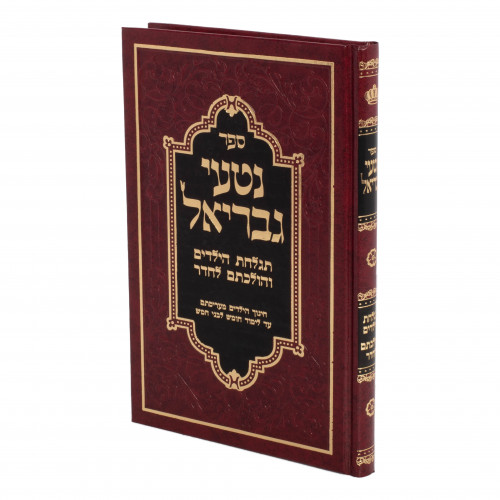
Some families also bring the boy to cheder or a rebbe on that day to begin learning, wrapping him in a tallis on the way. The Hebrew sefer Nitei Gavriel on the first haircut and bringing children to cheder covers the halachos and minhagim in detail.
How upsherin customs differ between communities
Upsherin customs differ between Chassidish, Sephardic and other communities, so follow your family's minhag and ask your rav when unsure. This table shows some of the common differences.
| Community | Common practice |
|---|---|
| Chassidish | An upsherin at three with payos left long, often a large family celebration |
| Sephardic | The chalakah, with some families holding it at a different age |
| Some Litvish and Yekke families | No special ceremony, with the hair cut when needed |
| Some Chassidic courts | A different age, such as two, by family minhag |
Many families hold the upsherin on Lag BaOmer, especially when the boy turns three during Sefirah. Large numbers of upsherins take place at Meron on Lag BaOmer, at the kever of Rabbi Shimon bar Yochai.
When to hold an upsherin if the birthday falls in Sefirah
If a boy's third Hebrew birthday falls when haircuts are not allowed, such as during Sefirah or the Three Weeks, the upsherin is usually moved. Many families whose son turns three during Sefirah hold it on Lag BaOmer.
- During Sefirah: many families wait for Lag BaOmer or the end of the haircut restrictions, depending on their minhag.
- During the Three Weeks: the upsherin is usually held after Tisha B'Av.
- On Chol Hamoed: haircuts are generally not allowed, so ask your rav about the right date.
The exact date depends on your family's minhag, so ask your rav before you set the date and invite guests.
Upsherin gifts: what to buy or bring
The best upsherin gifts help a boy with the new mitzvos he starts that day: his yarmulke, tzitzis and first learning. Toys and books with a Torah theme are also popular, and guests often bring a small gift or coins for the tzedakah box.
Gifts for his first mitzvos
- First tzitzis: browse children's tzitzis in small sizes.
- Yarmulkes: a playful yarmulke such as the iKippah Colored Aleph Beis Yarmulka.
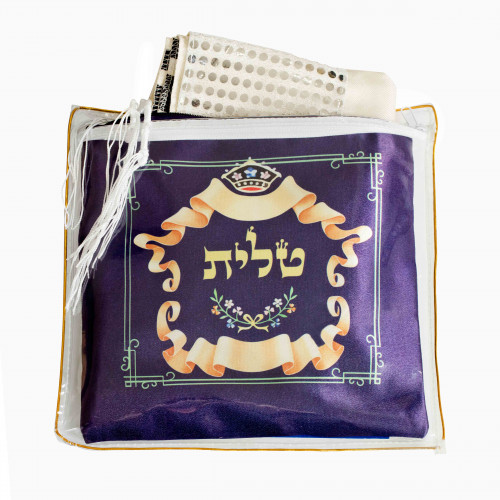
- A first tallis set: the My First Talis Set is a child's tallis and bag set.
- A tzedakah box: from the tzedakah boxes collection, for the coins collected at the haircut.
Gifts for the haircut and the day
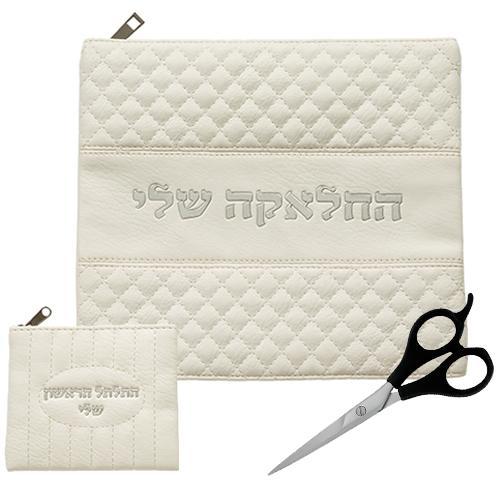
- A chalakah set: My HaChalakah Set includes scissors and a pouch for the first locks.
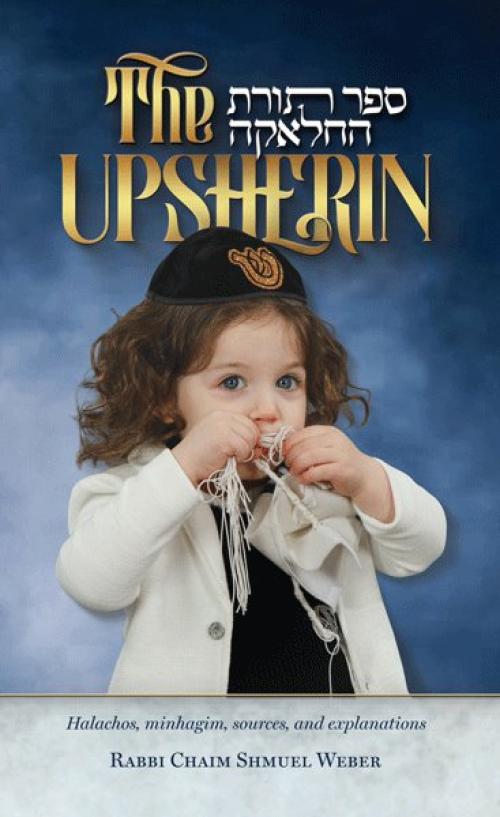
- Books: The Upsherin and Shloimy Is Shoin 3 are children's titles about turning three and the upsherin.
- Games: the TU Memory Upsherin Game and aleph beis games make the letters fun.
What to do as a guest at an upsherin
As a guest at an upsherin, you will usually be invited to cut a small lock of the boy's hair and give a coin to tzedakah. Wish the parents mazel tov and give the boy a bracha that he grow to Torah, chuppah and maasim tovim.
- Cut gently: take a small lock from where the parents show you, and never from the payos.
- Bring coins: keep a few coins ready for the tzedakah box.
- Keep the gift simple: a small toy, book or yarmulke is plenty for a three year old.
- Follow the family's minhag: customs differ, so watch what others do or ask the parents.
If you are not close with the family, a small gift and a warm bracha are always welcome. Close relatives often give a more lasting gift, such as a first pair of tzitzis or a sefer.
Upsherin checklist for parents
Use this checklist in the week before the upsherin so nothing is missing on the day.
| Item | Why you need it |
|---|---|
| A date approved by your rav | Avoids Sefirah, the Three Weeks and other times without haircuts |
| Scissors and a keepsake bag | For guests to cut and for saving the first locks |
| Yarmulke and tzitzis in his size | He puts them on for the first time at the upsherin |
| Aleph beis card or chart and honey | For his first learning of the letters |
| Tzedakah box and coins | For tzedakah given with each cut |
| Food and favors | For the seudah or kiddush that follows |
The upsherin is one of several milestones in a boy's early life. For the first one, read our guide on what a bris is, and for gifts at every age, see our Jewish baby gift guide.
Shop upsherin gifts at 1800 Eichlers
1800 Eichlers, the online store of Eichler's of Boro Park, carries upsherin gifts, children's tzitzis, yarmulkes, aleph beis games and seforim on the minhag. Browse upsherin gifts, see yarmulkes and Jewish kids books, or contact the store with a question before you order.
Frequently Asked Questions
- What is an upsherin?
An upsherin is a Jewish boy's first haircut, held when he turns three. The payos are left in place, and the boy begins wearing a yarmulke and tzitzis and learning the aleph beis.
- Why is the upsherin at age three?
Many sources compare a child to a young tree, whose fruit is not eaten for its first three years. In the same way, the hair is left uncut for three years and then the boy's chinuch begins.
- Is an upsherin a mitzvah?
No. The upsherin is a minhag, a custom. Leaving the payos is a mitzvah, but holding a ceremony for the first haircut is a custom that varies between communities.
- What do you bring to an upsherin?
Guests often bring a small gift, such as a yarmulke, tzitzis, an aleph beis game or a children's book, and coins for the tzedakah box. Ask the family if you are unsure.
- What if the third birthday falls during Sefirah?
The upsherin is usually moved, and many families hold it on Lag BaOmer. Ask your rav for the right date according to your family's minhag.
- What do Sephardim call the upsherin?
Many Sephardim call the custom the chalakah, and some Sephardic families hold it at a different age.