Netilas Yadayim and Wash Cups: How to Wash, Negel Vasser, and Choosing a Cup
Add 1800Eichlers as a preferred source on Google
Netilas yadayim is one of the most frequently performed mitzvos in a Jewish home, which is exactly why the questions around it are so practical. How much water, which hand first, can you talk, and what makes one cup better than another. This guide answers each of those, then covers choosing a cup that holds up to daily use.
Quick Summary
Netilas yadayim is ritual hand washing from a cup, done before eating bread and on waking. Pour water over each hand in turn, right hand first for most people, then say the bracha before drying and before eating. A purpose made wash cup has two handles so a washed hand never touches the handle an unwashed hand held.
- Two handles is a function, not a style choice. It keeps a washed hand clear of the handle.
- A revi'is per hand is the commonly cited minimum, roughly 3 to 4 fluid ounces.
- Say the bracha after pouring, before drying. Then eat without speaking in between.
- Negel vasser is the morning washing. Most families keep a cup and bowl by the bed.
- Mayim achronim is a separate, much smaller washing at the end of the meal.
- Material is up to you. No halachic requirement, so pick for durability and the setting.
| Washing | When | Bracha? | What you need |
|---|---|---|---|
| Netilas yadayim | Before eating bread | Yes | Two handled cup, sink or bowl, towel |
| Negel vasser | On waking | Usually said later, with the morning brachos | Cup and bowl kept by the bed |
| Mayim achronim | End of a bread meal, before bentching | No | Small vessel and dish |
What This Guide Covers
What Is Netilas Yadayim?
Netilas yadayim is the ritual washing of the hands from a vessel, done before eating bread and again on waking in the morning. It is not about cleanliness. Hands that are already clean still need washing, because the act itself is the mitzvah rather than the result.
The water has to be poured from a vessel by human effort, which is why a cup is used rather than a running tap. That single requirement explains most of what follows, including the shape of the cup.
Why does a wash cup have two handles?
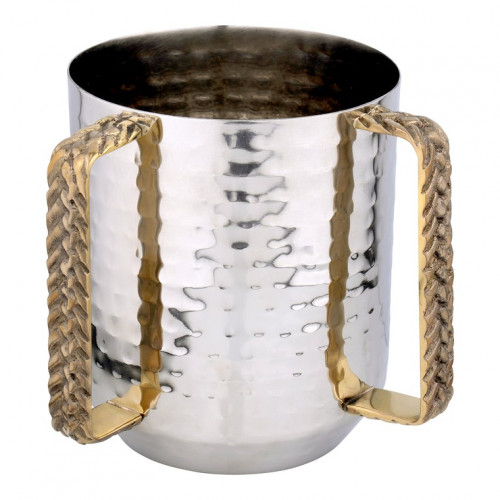
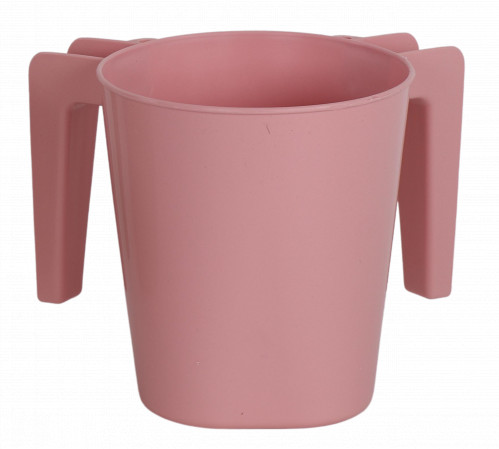
So that a washed hand never touches the handle an unwashed hand was just holding. You hold the cup by one handle, pour over the other hand, then switch to the clean handle with the now washed hand. A one handled jug forces the washed hand back onto the same grip.
This is the single most useful thing to know when buying. A decorative pitcher without two handles may look right and still be awkward to use properly every day.
What is the difference between netilas yadayim and negel vasser?
They are the same action at different times, with different customs around them. Netilas yadayim usually refers to washing before bread, with a bracha said immediately. Negel vasser refers to washing on waking, done at the bedside, with the bracha generally said later as part of the morning brachos.
In practice households keep separate equipment for each, because one lives at the kitchen sink and the other beside the bed.
When Do You Wash?
Three occasions come up daily or near daily: before bread, on waking, and at the end of a bread meal. Each has its own practice and, usefully for shopping, its own equipment.
Washing before bread
Before eating bread you wash from a cup, say the bracha, dry your hands, and then make hamotzi without speaking in between. This is the washing most people mean by netilas yadayim, and it happens at every Shabbos meal and every weekday meal with bread.
Negel vasser in the morning
Negel vasser is washing on waking, before walking through the house. Water is poured alternately over each hand, commonly three times each. Because it happens before you are properly awake and often in the dark, the equipment matters more than people expect: a stable bowl, a cup that is easy to grip, and ideally something you can find without the light on.
What is mayim achronim?
Mayim achronim is a small washing of the fingertips at the end of a bread meal, before bentching. It uses a very small amount of water, which is why the vessels sold for it are miniature compared with a netilas yadayim cup, often a small cup on a matching dish passed around the table.
How Do You Wash, Step by Step?
The sequence is short, and the common mistakes are all in the preparation rather than the washing itself. Have the bread ready before you start.
- Make sure the bread is ready and uncovered, so nothing needs doing after you wash.
- Remove rings or make sure water reaches the whole hand underneath.
- Fill the cup generously, enough for each hand without refilling mid way.
- Pour over the right hand first for most people, then switch handles and pour over the left.
- Raise your hands and say the bracha before drying.
- Dry your hands properly, then make hamotzi without speaking in between.
How much water do you need?
The commonly cited minimum is a revi'is poured over each hand, usually given as roughly 3 to 4 fluid ounces. Nobody measures in practice, which is the real argument for a cup with decent capacity: a cup that only just holds enough leaves you refilling between hands.
If you are washing for a family at a Shabbos table, capacity matters more again. A larger cup means fewer trips to the tap between people.
Which hand first, and how many pours?
Right hand first for most people. The number of pours per hand varies by custom, with two or three each being the usual practice. This is exactly the kind of detail that follows your family minhag, so ask rather than copying what you see.
What is the bracha?
The bracha is al netilas yadayim, said after pouring and before drying. The wording is in every siddur and in benchers kept at the table. 1800 Eichlers stocks benchers and tefillos that carry it alongside bentching.
Can You Talk Between Washing and Hamotzi?
The accepted practice is not to speak between washing and eating the bread, so the bracha on washing connects directly to the meal. This is why preparation matters: if the bread still needs slicing or the salt is missing, you will be tempted to ask for it at exactly the wrong moment.
- Set the table fully before washing, bread sliced or ready to break, salt out.
- Send children to wash first, so they are not asking questions while you are silent.
- Keep towels at the sink, not in a drawer across the kitchen.
- At a big meal, wash in groups, so the gap between first and last is short.
How Do You Choose a Wash Cup?
There is no halachic requirement for material, decoration or price, provided the vessel is whole and holds enough. So the decision is practical: where it lives, how often it gets used, and who is using it.
Which material is best?
| Material | Best for | Things to know |
|---|---|---|
| Plastic | Daily family use, children, bedside | Cheapest and unbreakable. The sensible default for negel vasser |
| Resin | Everyday use with a heavier feel | More substantial than plastic, still hard to damage |
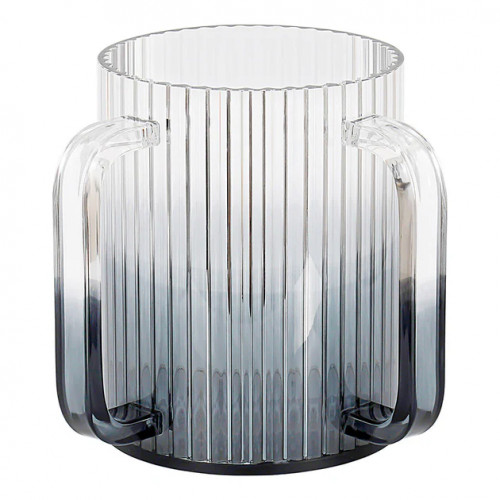
| Lucite and acrylic | A visible kitchen sink or Shabbos setting | Looks like glass, far more forgiving if dropped |
| Steel and aluminium | Heavy use, large families, shul | Longest lasting. Hammered and braided handle finishes available |
What size and capacity should you get?
Err larger than feels necessary. A cup that holds comfortably more than the minimum for both hands means no refilling, which matters most at a Shabbos table where several people wash in sequence. Tall narrow cups pour more controllably than wide shallow ones.
For a bedside cup the trade off flips. There, a smaller cup that sits stably on a bowl without tipping is worth more than capacity.
Does the cup definitely need two handles?
Every purpose made wash cup has them, and the reason is the switching described above. If you are choosing between an attractive single handled jug and a plain two handled cup for daily use, the plain one is the better buy. Keep the decorative piece for display.
What Do You Need for Negel Vasser by the Bed?
A cup, a bowl large enough to catch the water, and somewhere stable to put both. That is the whole setup, and the failure points are predictable: a bowl too small, a cup that tips, or a set so far from the bed that it does not get used.
- Use a bowl with real capacity, enough for three pours per hand without overflowing.
- Keep it on a stable surface at bedside height, not on a stack of books.
- Choose plastic over glass, since this gets handled half asleep.
- Consider a glow in the dark set so it can be found without turning a light on.
- Give each child their own, so nobody walks through the house to find one.
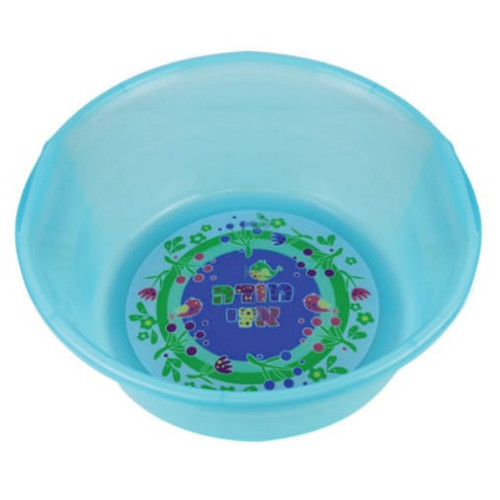
Matching bowls and sets are grouped in the wash cup sets collection, and smaller vessels for the end of the meal sit under mayim achronim.
Wash Cups for Travel and Small Spaces
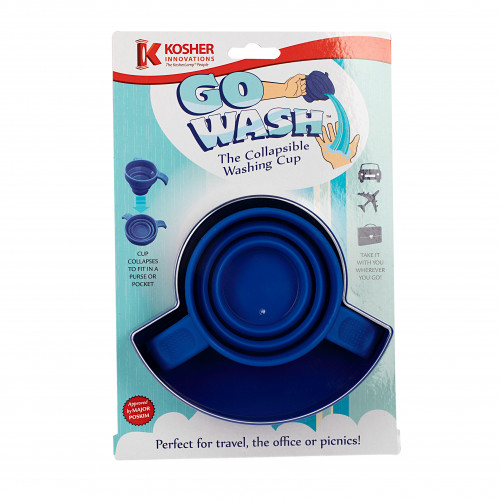
Washing away from home is where people improvise badly. A hotel glass has no second handle, and a disposable cup often will not hold enough. A collapsible cup made for the purpose solves both problems and packs flat.
- Collapsible cups fold down for a bag or a car glovebox.
- Keep one packed permanently, so it is not forgotten for a simcha or a trip.
- Dormitories and offices benefit from a small dedicated cup kept in a drawer.
- Check the capacity, since the smallest travel cups are tight for two hands.
Wash Cups and Sets as a Gift
A wash cup is a good gift for the same reason it is easy to overlook. Every Jewish home needs one, most households own something mismatched, and a proper set is genuinely used every day rather than displayed.
| Occasion | Why it works | Pairs well with |
|---|---|---|
| Wedding or new home | Needed from the first Shabbos in the house | A matching bowl and towels |
| Upsherin or a child's own set | Their own bedside cup encourages the habit | A glow in the dark set |
| Housewarming | Useful rather than ornamental | A Shabbos table piece |
| Travel gift | Solves a problem the recipient already has | A collapsible cup |
For gift ideas by occasion see the Judaica gifts range and the wedding and new home collection. Hand towels for the sink sit under towels.
Shop Wash Cups and Netilas Yadayim Sets at 1800 Eichlers
1800 Eichlers carries wash cups in plastic, resin, lucite, steel and aluminium, in sizes suited to a kitchen sink, a bedside table or a travel bag, including collapsible cups and glow in the dark negel vasser sets.
Browse the full wash cups collection, matching wash cup sets, or smaller mayim achronim vessels. To see how a cup fits the rest of the setting, look through the Shabbos table collection and cups. If you want to read the sources yourself, the halacha seforim collection covers this area.
About 1800 Eichlers
1800 Eichlers is a Judaica superstore based at 5004 13th Ave in Borough Park, Brooklyn, serving Jewish communities across the United States and worldwide through 1800eichlers.com. The Judaica collection includes wash cups and negel vasser sets in every material and size, alongside a full range of Shabbos, holiday and lifecycle items for the Jewish home. Questions about a specific cup, its capacity or its handles can be answered by the store on (718) 874-9771.